How Do Behaviours Spread? - The Hundredth Monkey Effect

Glasgow, Scotland, UK • November 2017 • Length of Read: 3 Minutes

The remote island of Kojima in the South West of Japan has no human inhabitants. Its picturesque shores and forested landscape are, however, home to a very special group of primates. The wild band of macaque monkeys that reside here have been so unaffected by man that they’ve become the subjects of numerous fascinating academic studies, one of which made international news.

Researchers became captivated by the species when they discovered that one of the monkeys had learned how to clean dirt off the freshly dug sweet potatoes that grew on Kojima. With their other foods requiring no preparation, the tribe were reluctant to eat these dirty potatoes. This monkey managed to resolve the issue, though, by washing them in a stream, and was soon teaching her mother and playmates to do the same. As this skill was passed around, sweet potatoes soon became a source of food for monkeys of Kojima, whereas their distant relatives on neighbouring islands continued to leave them untouched.

Then, something incredible happened. Once a certain number of Kojima’s macaques – about one hundred of them – had acquired this knowledge, monkeys on the smaller island of Torishima began washing their food as well. There was no way they could have interacted with the original monkeys, but somehow the behaviour spread. The researchers were baffled. How was it possible that such a rare social trait should suddenly appear in two geographically distinct areas? Was there some recessive ‘food washing’ gene that had only now kicked in? Could the monkeys on Torishima have peered across the water and somehow understood what the other monkeys were doing and then copied them? Could this be some kind of simian extrasensory perception? Or were we witnessing a rare leap from one evolutionary plateau to another? The theories grew and grew, yet the mystery seemed intractable.

Some prominent scientists and brain researchers came to believe that there may be a collective consciousness that all members of a species can pull from. It has been noted, for example, that when one physicist makes a breakthrough, physicists elsewhere will simultaneously get the same idea. It is thought that when we align ourselves through belief, through focus, through optimal physiology, we find a way to dip into this collective consciousness and act in remarkable unison. In his book Unlimited Power, Tony Robbins used this hundredth monkey example to conclude that “The better attuned you are, the better aligned you are, the more you tap into this rich knowledge and feeling. Just as information filters to us from our unconscious, it may also filter in to us from completely outside of ourselves if we’re in a resourceful-enough state to receive it.”

Sounds too good to be true, right? Well that’s because it is. Only decades later, when someone with a rational mind decided to ask the local fisherman what they thought, did this theory become debunked.

“Well,” the fisherman replied, “the monkeys do swim back and forth between the islands. Maybe that has something to do with it.”
Are Employees Being Promoted Until They Become Incompetent?

pexels-photo

In organisational structures, the assessment of an employee’s potential for promotion is often based on their performance in their current role. As such, in most standard organisations an employee’s appraisal process will broadly follow these five steps:

  1. Feedback is received for work completed.
  2. This feedback is then collated and used to form the basis of an employee’s business case for promotion.
  3. The aforementioned business case is then presented to a senior management panel.
  4. The senior management panel will agree on an appraisal rating for the employee based on the strength of this case.
  5. Promotions will be weighted towards employees with higher appraisal ratings.

On the face of it, this makes perfect sense. Why would you want to promote an employee who is not already crushing it? The issue with this retrospective-style of appraisal, however, is that it doesn’t take into account one very important thing: Just because an employee is a great asset in their current position, it doesn’t mean that they will have the abilities needed to succeed in their new position.

Following this line of thought, it goes to say that employees will only stop being promoted once they can no longer perform their duties effectively. In turn, employees rise to the level of their incompetence. With no chance of further promotion up the ladder, they will reach a career ceiling and remain in a role which they cannot fully perform effectively.

This management theory concept is known as the Peter Principle, so named after the Canadian educator who formulated this concept in 1969, Lawrence J. Peter. He noted in his book Why Things Go Wrong that incompetence is most likely to occur when newly required skills are different, but not more difficult. For example, an excellent engineer may be a poor manager because they might not have the interpersonal skills necessary to lead a team.

So how does one, as an employee, avoid the Peter Principle coming to fruition? Well, the Harvard Business Review suggest asking yourself the following questions:

  1. Is my boss interested in my welfare or does he see me as a competitor who needs to be neutralised? If it is the latter, then the chances of an employee being able to fully spread their wings become severely grounded.
  2. Can I correctly work out what my boss wants or am I stuck second-guessing from what he's actually saying? Don't be afraid to ask further questions at the initiation phase of a project. Better to fully comprehend what is required to be done than being told half-way through that what has been completed is incorrect.
  3. Will my boss reward or punish me if I make improvement suggestions? Some employers love employees who think outside of the box and constantly try to add value to the company. Others regard this type of attitude as evasive and threatening. Ensure you know when best to, and when not to, express yourself.
  4. Am I capable of doing my job? it may take you longer to find your feet in a role than expected. This is OK. Don't feel pressured to race for promotion and the next rung on that career ladder. There is no finish line and gold medal waiting for you at the top. Feel free to stick in your current role until you have mastered it.
  5. Do I want to emulate this boss, or should I distance myself from his poor example? Consider whether the job your boss has is actually what you want to work towards. If you don't admire their actions and position, then what is the point of being promoted one step closer to it. Be lateral thinking in your career development and don't become stuck in a silo.

Competent managers are likely to promote a super-competent for the betterment of the organisation. Incompetent managers, on the other hand, will feel intimidated and threatened by those who excel too much. The answers to these questions will help give you an indication of how to avoid hitches and obstacles in your career progression... and avoid becoming incompetent.

A Country Manor Hideout in the Serbian Wilderness

Fruska Gora, Serbia • September 2016 • Length of Read: 10 Minutes

The following story is an extract from my book We Ordered A Panda: Tales of City-Hopping Around Europe. If you enjoy it then please visit my online bookshop to uncover the full epic road trip.

As Lara showered, I set about making the coffee. The apartment smelt like a brewery and my insides definitely had enough beer sloshing about inside them to match that sub-par simile with a poorly-worded analogy. I would have loved to just lay about in bed all day, convinced that I was still too drunk to properly operate a toothbrush, never mind a motor vehicle. We were aiming to make it to Belgrade for dinner, however, and it was a 280 km drive just to reach the Serbian border.  We packed up our stuff, using the preferred method of simply stuffing everything into our bags, left the keys hanging in the lock, and tumbled down the stairs into the Croatian sun.

In the daylight, we realised that the car park we’d abandoned Ben in the prior evening was directly under the bus terminal. Grabbing some food from one of the bakeries inside, I sat on our bags at the entranceway whilst Lara paced up and down. Neither of us spoke. All the energy we had left was being focused on trying to function like normal human beings. The prosciutto and cheese toasted sandwich I was trying to digest hung from the corner of my mouth like the prey of a wild carnivore. I had no idea what the Blood Alcohol Content (BAC) limit was in Croatia but assumed that if it were anything less than ‘all aboard the steamboat’ the local authorities may have a thing or two to say about my being behind the wheel. I then reminded myself that I was sat on the concrete floor of a bus station, wallowing in my own despair like a lost child. I decided to drive anyway.

“Cause if this is what we’ve got, then what we’ve got is gold. We’re shining bright and I want you, I want you to know. The morning’s on its way. Our friends all say goodbye. There’s nowhere else to go, I hope that you’ll stay the night.”

Exiting the car park, I turned onto the E70 highway towards Slavonski Brod - the last major town signposted before hitting Serbia - and put my foot down. The paved blacktop we were hurtling along at 130 km/h is a mere fraction of an epic A-class European route that runs all the way from A Coruña in the north-west of Spain to the Georgian port city of Poti on the eastern banks of the Black Sea. That’s a distance of 4,599 km; or, two time zones. When put in that perspective, our little jaunt didn’t seem too much of a hassle after all.

Making good time, we stopped for a coffee at the last service station before the border. When the girl behind the counter gave us two cups of Nescafe instant, it dawned on me that we were indeed a long way from Italy, and about to leave the European Union entirely.

 “So, what’s this surprise you’ve got in store for me?” I quizzed Lara.

“Ah shit, I can’t find my passport,” she responded, rustling through her bag and patting down her coat.

“You really need to stop telling me that I’m the one who needs to chill out. I’m sure it’s lying in the car or in one of your other bags.” For some reason, unbeknownst to even God himself, Lara had decided to bring three different purses with her.

“Ah, here it is,” she gasped, breathing a deep sigh of relief. “Did I tell you about when my dad took us on a family holiday to Bosnia when we were younger and forgot to bring our passports? He had to talk his way around the authorities by pretending I was about to shit myself.”

“So that’s where you get your manipulative streak from?” I chuckled.

“Most likely. He once got out of a speeding ticket by pretending he was a Government official who had been summoned by the Prime Minister to a life or death meeting. And then there was the time he got out of a fine by pretending he was going through a messy divorce…”

“Eh, what?” I stared in disbelief, jaw on the floor.

“He’s really quite the character when you get to know him. The type of person who walks into a room and everyone becomes magnetised by for reasons they can’t quite put a finger on.”

“Yeah, I know the type. After our initial meeting, however, I don’t see us becoming drinking buddies anytime soon, though,” I pointed out.

“Well, perhaps not. He’s very protective of me. My sister not so much.”

“Are you trying to dodge my initial question by any chance?”

“Perhaps. But I suppose I need to borrow your phone now anyway to put plans in place, so may as well tell you. Better than stealing it. We really shouldn’t have the same password to unlock each other’s phones.”

“I can’t believe you even remember that,” I laughed.

“My family owns a country manor in the Serbian wilderness. It’s a summer home that my dad and uncle renovate together. I’ve managed to convince them to let us have the keys for tonight.”

“That is awesome,” I bellowed, so loud that the people next to us looked across to see what all the commotion was about.

“It’s only a few kilometres across the border and then down some country lanes. I’ve never actually taken anyone there before, so this is pretty special.”

I stared at the girl opposite me. Absolutely mesmerised.

We joined the bizarre queue of vehicles at the Croatian-Serbian border. Homeless-looking truckers loitered about and smoked cigarette butts, families tried to calm their impatient children belted-up in the backseat, and bus parties took the opportunity to stretch their legs. Only three of the eight possible checkpoints were open, and Lara sighed at the laziness of the customs officers. As we inched forward at a snail’s pace, she regaled about the time she once got to this border only to find that the officers had gone for lunch and completely shut shop. The place was a standstill for a whole hour whilst they tucked into their sandwiches and shot the breeze. I was quickly learning that things operated drastically differently here than back home in the UK. A pristine white BMW with tinted rear windows and a German number plate pulled up beside us as we split into two lanes, one for each of the checkpoints. The driver, a tanned guy with dark stubble and aviator shades on, kept looking over and grinning.

“I think he fancies you,” I teased Lara. “Give him a smile back.”

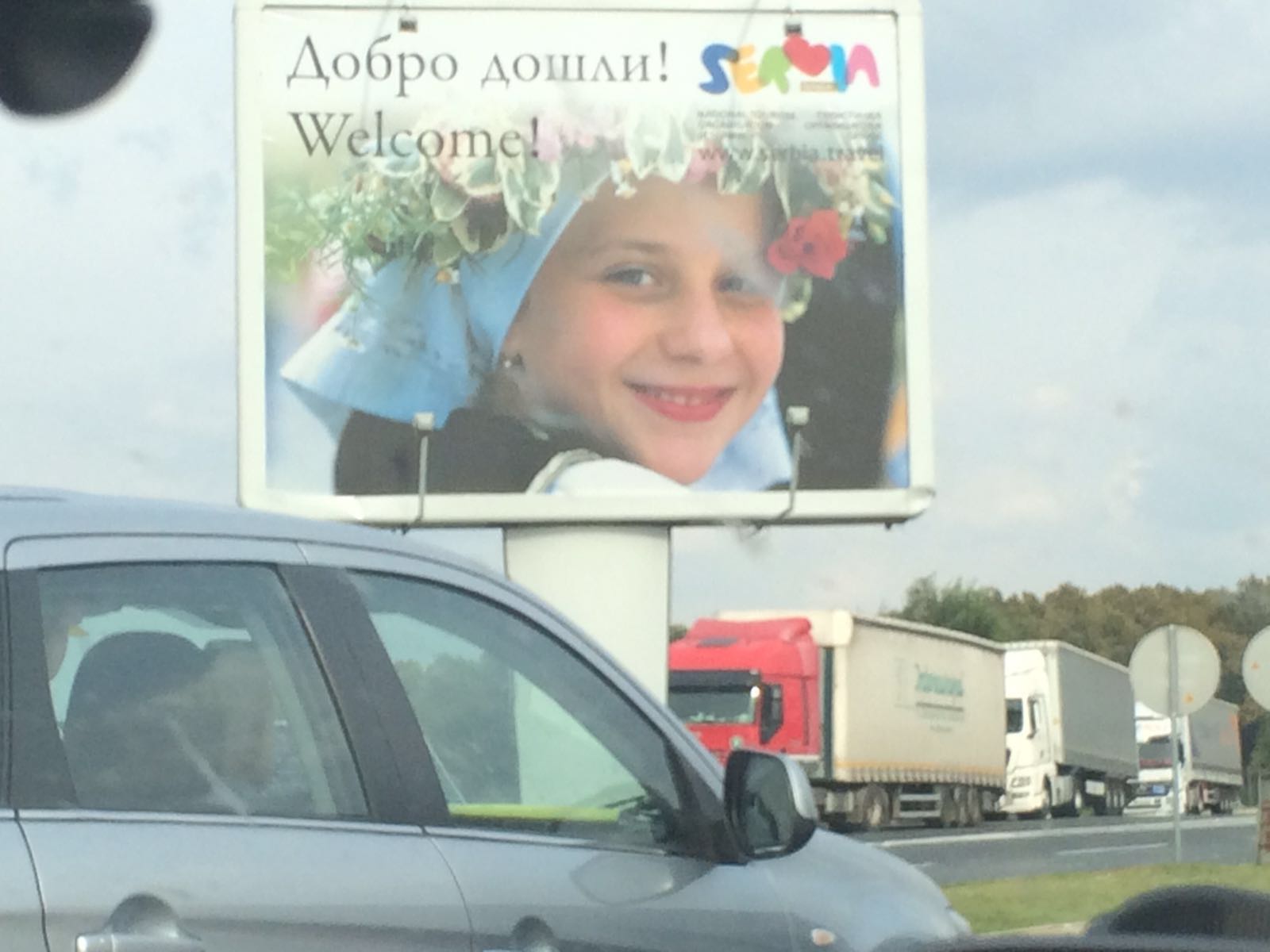
“I think he’s just trying to avoid looking at that billboard to the left. It’s perhaps the creepiest welcome sign I’ve ever seen.”

A large poster depicting the smirking grin of a little girl leered over the queue. Dressed in what I assumed to be traditional Serbian garments, she looked like she’d done a better job advertising a horror film than as the poster child for the Serbian tourist board. Everything about her face read ‘I am going to kill you and then haunt the rest of your family’, as opposed to the ‘welcome to my homeland’ message they were trying to convey. If it had been remotely possible, I would have turned back there and then. The only reason I didn’t was because that would have looked more suspicious than a pubescent teenager with a cleared internet browsing history.

We crept up to the front of the line, and half an hour after the BMW dude had decided to stop staring at us we had a customs official giving us the twice over. What it was about a Scottish guy, driving foreign hire car, with an Italian girl, who has a Serbian surname, which made him suspicious I have no clue. Cue ‘The Manipulator’. Lara began to babble away in fluent Serbian as I leant back in my seat. Within a matter of seconds, our passports had been stamped and we were on our way; the man giving us a polite gesture as he raised the barrier.

“What was that he just said,” I asked, curious.

“Welcome back to your homeland, Miss,” translated Lara.

“Unbelievable.”

After a further couple of hours driving, during which Lara made me almost crash the car when a wasp decided to fly through the window and hitch a lift, we made it to Belgrade. As the highway swept down into the metropolis that is the Serbian Capital, I couldn’t help but be less than impressed by the dilapidated buildings and grotty atmosphere. By the time we parked down on the banks of the Danube, however, this thought was completely reversed. Belgrade has changed hands over the years more times than the present in a game of pass the parcel and was most recently the capital of Yugoslavia before its dissolution in 2006. I am not nearly as educated enough as I should be on the complex history of this region but I could clearly see, first-hand, that an incredible amount of regeneration has been undertaken by the Government and people alike. Every day is a school day and I can only keep advancing my knowledge of the World and its fascinating cultures. Lara took me for a stroll along the waterfront, where we paused for some takeaway burgers at the river’s edge. It was lined with bars the whole way along and we sat in peace watching the eloquently dressed youth pass us by; laughing away and ready to set the night on fire.

“You know I had these ballroom dreams, that, as a child came to me.I was a boy in Grandma's arms. A mother's pride and a wounded heart.”

I polished off the food in no time and we retraced our footsteps back towards the car. With a full stomach, I felt near enough fully recovered from the prior evening’s antics. Taking a seat in a Balkan restaurant called Ambar, Lara ordered us two virgin cocktails before convincing the waiter to change her Euros into Dinar. Despite being against the law for establishments to do so, one wink from The Manipulator and he was more than happy to oblige… as long as we kept it hush hush.

Lara was keen to get out of Belgrade before it became illuminated only by the moon, so with the music blasting, we headed back across the bridge and in the direction of the border. Turning off onto a country road, we then continued for a further 15km into the heart of the Serbian wilderness. Advancing along a single-tracked lane bordered by hedgerows, there were no street lights or house lights to guide the way. Ben’s full-beams shone like beacons in the otherwise total darkness. If there was ever a place to kill someone and dispose of the body, then this was it. Turning left onto an even narrower gravel path, I slipped down to first gear and trundled up the steep incline ahead; convinced I was marching to my own death. Then, rounding a sharp corner, a crooked cottage suddenly came into view.

“That is the house of my closest neighbours,” began Lara. “They have the spare keys and are expecting us. I hope they are, anyway. Stop here for a second.”

My companion jumped out of the car and rang the bell. I kept the engine running in case we needed a quick getaway. Instead of an axe murderer, though, an old lady with a friendly looking smile answered the door. The pair proceeded to have a little natter before Lara was then handed a set of keys and returned to the car.

“Go down that hill there,” said Lara, when we were a short while along the track. The headlights of the Corsa shined towards a grassy drop-off into some trees below.

“What are you fucking talking about, ‘go down that hill’. It’s just a ditch. I don’t see any tow trucks coming by anytime soon if we happen to get stuck.”

“OK, just dump it here,” she laughed. “This is all our land anyway. Are you ready to see something really, really special?”

“Am I ever,” I grinned, taking our bags from the boot and clicking the central locking.

With just a torchlight to guide us, Lara led me by foot down the hill and into an absolute sanctuary…

Where did the word 'meme' come from?

20161009_185855

I’m not ashamed to admit that I’m a huge Richard Dawkins fanboy. Along with the late Christopher Hitchens, he has dramatically empowered my religious worldview and debating skills, whilst his books have been of significant education. As an evolutionary biologist, he has been at the forefront of the gene-centred view of evolution, and his 1976 publication The Selfish Gene put forward the hypothesis that a lineage is expected to evolve to maximise its inclusive fitness; being the number of copies of its genes passed on globally rather than by a particular individual.

In addition to the DNA molecule, Dawkins explored the possibility of there being other replicating entities and wrote that ‘a new kind of replicator has recently emerged on this very planet… still in its infancy, still drifting clumsily above in its primaeval soup, but already it is achieving evolutionary change at a rate that leaves the old gene panting far behind.’ He defined this new replicator as a ‘meme’:

“The new soup is the soup of human culture. We need a name for the new replicator a noun that conveys the idea of a unit of cultural transmission, or a unit of imitation. ‘Mimeme comes from a suitable Greek root, but I want a monosyllable that sounds a bit like ‘gene’. I hope my classicist friends will forgive me if I abbreviate mimeme to meme. If it is any consolation, it could alternatively be thought of as being related to ‘memory’, or to the French word même. It should be pronounced to rhyme with ‘cream’. Examples of memes are tunes, ideas, catch-phrases, clothes fashions, ways of making pots or of building arches. Just as genes propagate themselves in the gene pool by leaping from body to body via sperms or eggs, so memes propagate themselves in the meme pool by leaping from brain to brain via a process which, in the broad sense, can be called imitation.”

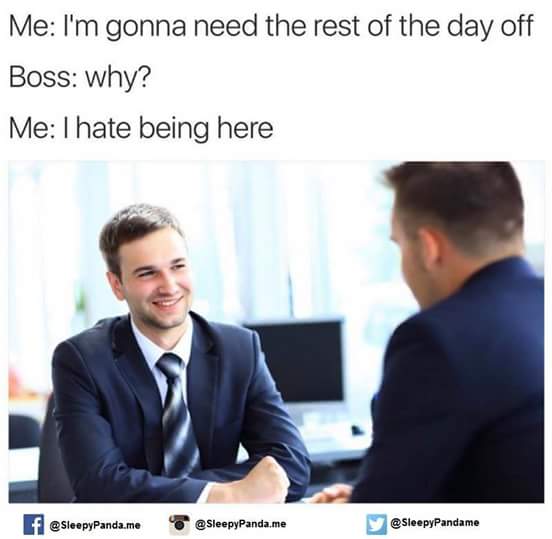
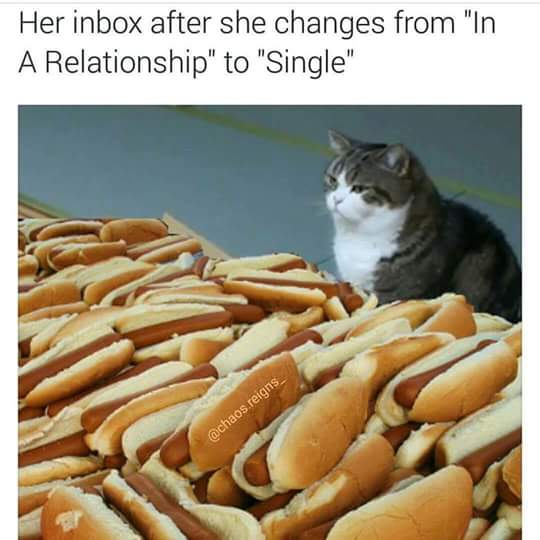
God love the man. I wonder if he could have guessed that, 30 years later, this new addition to the dictionary would be best used to define un-PC .GIF images posted on social media sites as opposed to 'the soup of human culture'. But then again, I suppose in  a way these memes (a few of my favourite shown below) are extensions of our ever-developing sharing culture. The last one is of particular pertinence.

fb_img_1471645357044

fb_img_1472250614168

fb_img_1473009304319

fb_img_1473684200349

fb_img_1475616924164

fb_img_1475616977251

fb_img_1475617150690

A Road Trip Pit-Stop at the Beautiful Lake Bled

Ljubljana, Slovenia • September 2016 • Length of Read: 7 Minutes

The following story is an extract from my book We Ordered A Panda: Tales of City-Hopping Around Europe. If you enjoy it then please visit my online bookshop to uncover the full epic road trip.

I was awoken the following morning by the sun blazing through the room-high window pane. The thin sheets hanging from the rail above were failing miserably in their attempt to act as curtains. Glancing around the pink room, tiny little shoes on the floor and Barbie dolls propped up on the dresser, I was initially very confused as to where I was. The sound of muffled Serbian conversation quickly brought me back to my senses, however. The death-staring father was up and about and I didn’t fancy going another round of awkward silences with him. The man had proven to be a world-class performer in hostile greetings. I was going to have to time my escape well.

I stewed in bed for a while, planning an avoidance strategy, when, to my luck, I heard Rudi starting to bark. Excellent. Lara’s dad was going to have to take the dog for a walk. I waited until the front door slammed shut and then made my exit from the sweaty prison cell.

“Morning, Lara,” I yawned.

“Morning, Chris. Why don’t you hop in the shower and by the time you’re ready to go I should be finished packing. There isn’t much in the way of food in the flat so let’s just stop for some brunch in Ljubljana.”

“Sounds like a good idea,” I nodded, pulling a fresh towel out of the hall cupboard. I didn’t know what plans Lara had up her sleeve but was happy to roll with that suggestion. Half an hour later I was plugging our trusty GPS, Tom, into the cigarette lighter. Ben had survived the night without a scratch and with a full tank of petrol was raring to go. I dropped the clutch, released the handbrake, and we were off. The adventure had officially begun.

“Grass stained bare feet. Dove in my front seat. Windshield full of road to run And a gas tank full of freedom.”

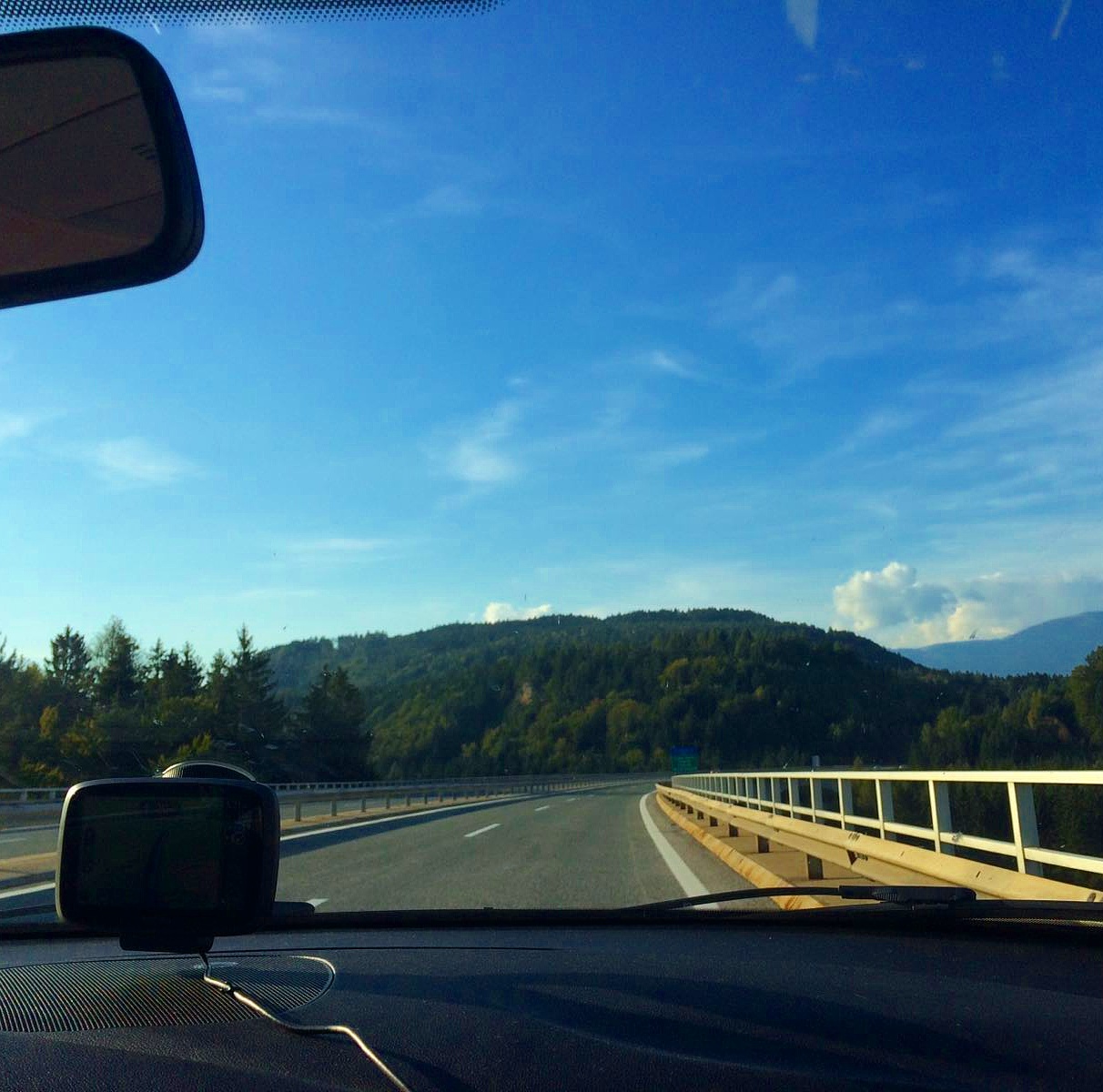
When driving in Slovenia, your car must have a valid toll sticker displayed on the windshield. These vignettes, as they are so called, can be purchased from service stations in Slovenia as well as its bordering neighbours. They carry different prices for different classes of vehicle and can be purchased weekly, semi-annually, or for a full year. Our weekly ticket cost €7.50 and as Lara affixed it, Ben took us across our first state line and into country number two.

I’d been told by some friends that the beauty of Lake Bled was unparalleled, so had made a specific request that a stop there should be incorporated into the itinerary. First of all, though, we were heading to Ljubljana, Slovenia’s capital city. Lara’s University term was to start on the following Monday, but she had yet to even begin moving her stuff from Trieste to her new student apartment. The girl has to be one of the most chilled out people I’ve ever met and has a maturity and image so far beyond her teenage years that she’s constantly being mistaken for someone in their late twenties. That’s why I enjoy spending time with her so much. She combines the energy of a youngster with the wisdom of a scholar. I can’t even begin to tell you how much I have learnt about the world from simply being in her company.

As we took the motorway exit leading towards Ljubljana city centre, I pulled up to a set of traffic lights and got my first stationary view of the country. This so happened to be of two kids playing in the street. Whilst I’m used to seeing children kicking about a football or trading playing cards, however, never before have I witnessed the pastime which I could only literally describe as ‘throwing rocks at billboards’. Now, granted, my Slovenian is a little poor, but unless they were protesting in a unique way against what the large corporation was advertising, then I’m pretty impressed with their creative, albeit limited, imaginations. Just don’t expect that game to take off in the playgrounds of Scottish schools anytime soon.

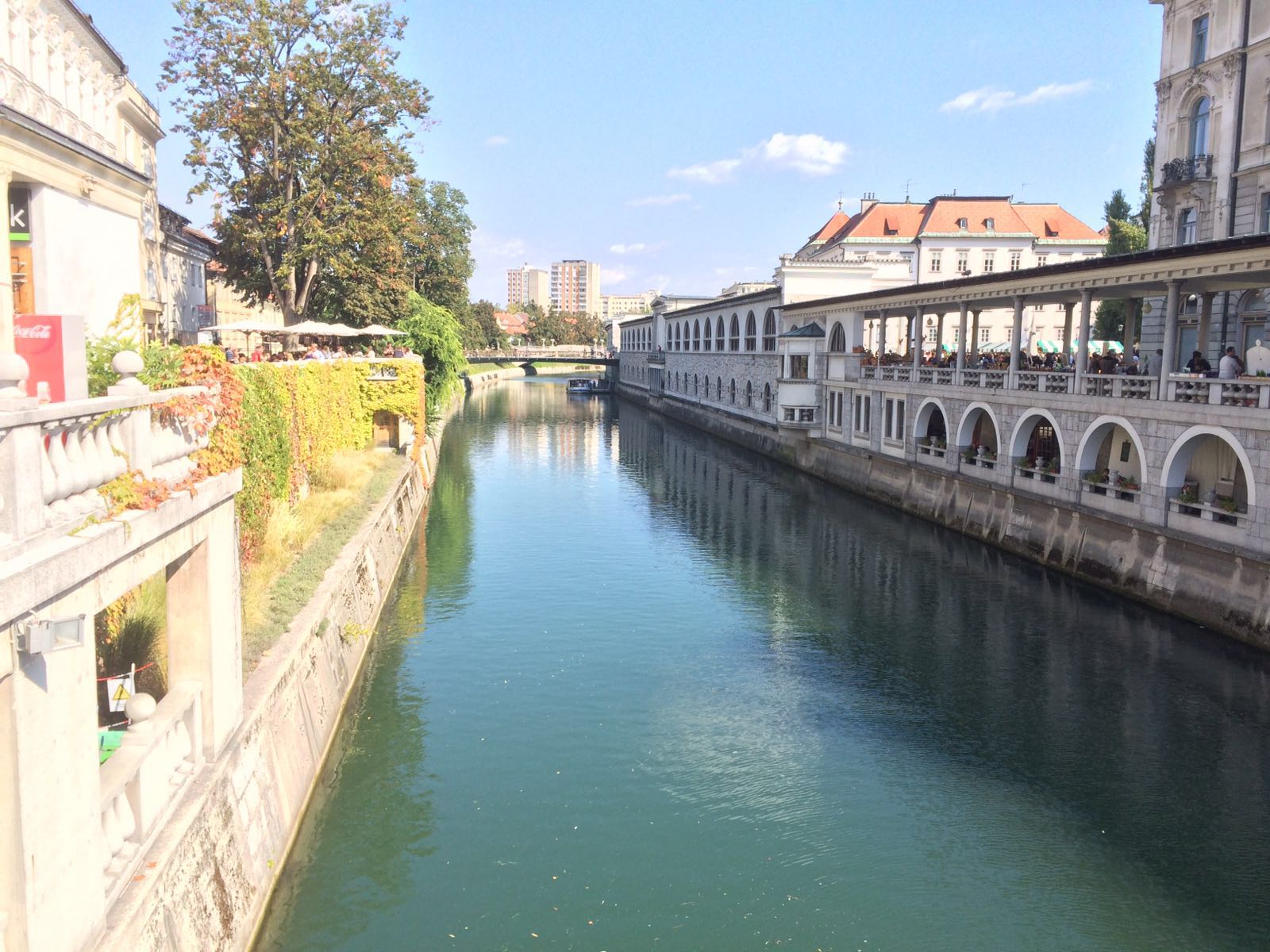
I parked Ben in a legitimate space for the first time and we took a stroll down the cobbled pedestrianised area that leads to the canal. The Ljubljanica River is the city’s main artery, and as it peacefully curved through the heart of the historic centre, throngs of tourists populated the cafes and bars which lined its sides; sipping on Lasko beer and basking in the sweet September summer sun. The problem with driving was that I couldn’t join them. At least on the alcohol part. We found an empty table under the shade of an evergreen at an establishment called Fanny & Mary. As my burger and the Italian’s salad were served, I giggled at some of the chalk-written messages on the walls before deciding to have a little fun of my own.

“Have you ever eaten fanny before?” I asked my Lara, sternly. When it comes to self-amusement I am like a little child, and love playing about with slang terms when in the presence of foreigners.

“No, I’ve not,” she responded, clearly having no idea what I was hinting at.

“Now that you’re moving here you should try it more often. The meat in my bun tastes really good.”

“Well, if I wasn’t a vegetarian, then perhaps I would,” she coyly remarked.

Settling the tab it was then back on the road. This time heading towards colder weather as Zac Brown Band soundtracked our drive north. We stopped just short of Bled to refuel and pick up some snacks. As Lara stood there in the shop, torn between ‘salt and butter’ or ‘paprika’ flavour crisps, I looked through the glass window at the large group having lunch in the pit stop café patio area. Multiple families were sharing a long table together, the adults all drinking and smoking in their suits and dresses whilst equally smartly dressed children ran around, hyper on candy. Back in the car park, Lara argued in the heat that she wanted to drive, despite the fact that she’d only held her license for 6 months and the minimum requirement was one year. Traditional music blared from the speakers of one of the station wagons as yet more smartly dressed individuals of varying generations hung around drinking and smoking. It was only when I noticed the confetti and ribbons tied around the wing mirrors that I eventually put all the pieces of this strange jigsaw together. There was a gas station wedding taking place. Suddenly the boys throwing rocks at the billboard in Ljubljana seemed like the most normal people in the world.

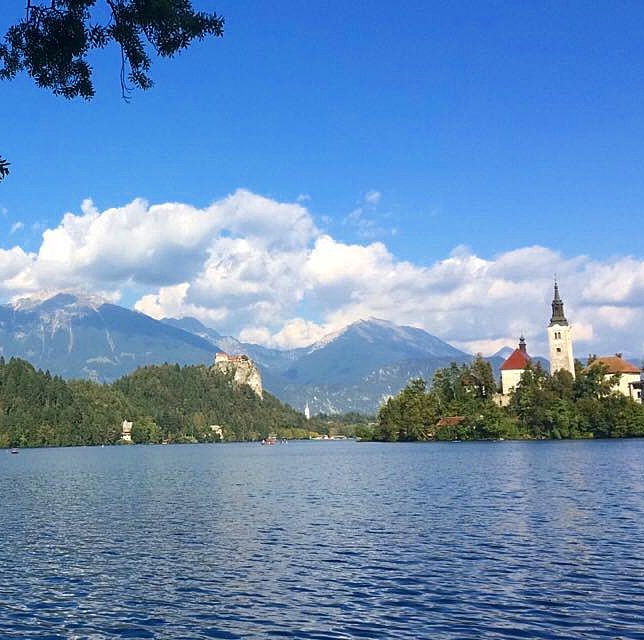
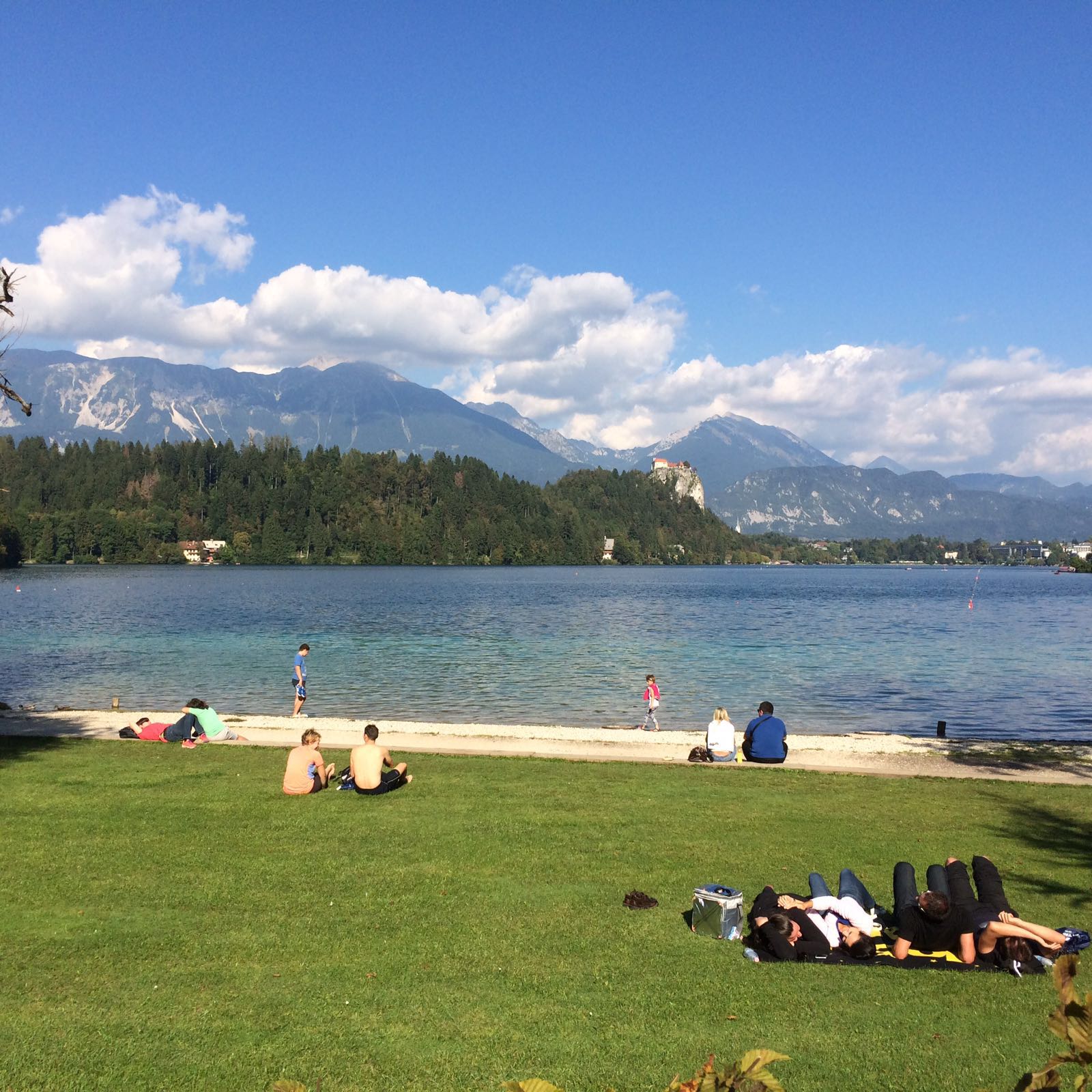
Passing a dinosaur park with a model T-Rex in the yard, we coasted down a narrow hill towards the glistening body of water before us. I imagined it to be what Jurassic Park may have turned out to be had the production team wasted their whole budget on hookers and cocaine during pre-production. The boutique hotels and cafes that lined the street gave way to open grassy areas and trails as the road then wrapped its way around the picture-postcard vista. As we circumnavigated this wonder of nature the medieval castle clinging to the edge of a rocky cliff oversaw our every movement, whilst the bells of the islet church in the middle of the emerald-green lake informed us that is was 2pm. The backdrop of the Julian Alps was so epic that I almost crashed into the barrier multiple times from being transfused by their beauty.

There is no free parking at Lake Bled, with everything there designed to get tourists to cough up as much money as possible. I swung into a gravel car park, where a chubby woman proceeded to knock on our window and inform us that it would cost €5 for the day. We only wanted to stay for a couple hours but, apparently, this price was non-negotiable. Either that or she was not able to do simple arithmetic. In attempting to direct us into an empty space at the back of the lot, I became convinced that she may have been a few brain cells short of a complete cranium. A few sandwiches short of a picnic, if you will; a few playing cards short of a full deck.

The tranquillity of the lake seems to have broken its banks and taken hold of the residents fortunate enough to call this Slovenian paradise home. Life was so peaceful, in fact, that we saw a woman spending her afternoon dusting the outside of her house. Not the path and porch, mind you, but actually brushing the walls of her bungalow with a little duster. I initially questioned how anyone could settle for such an existence, letting the years tick over with no other purpose. It then struck me that her look of content is one everyone is searching for, whether they subconsciously know it or not. Lara and I passed her abode and took a romantic stroll along a portion of the wooden decking which has been constructed right by the water’s edge. So close, you could dip your toe in the shimmering aqua. Gazing out at the distant shore on the other side a full 2km away, I couldn’t help but smile. Despite being a tourist trap, one million dollars couldn’t buy what I had. The perfect horizon; a beautiful girl by my side; and the pleasure of going nowhere fast. If money didn’t matter, it wouldn’t matter anyway.

A guy pulling on the oars of a rowing boat came into view. His girlfriend was sat opposite, pointing a massive SLR camera with an extension lens attached at him. She was desperately attempting to get ‘the money shot’ image of her man tensing under the resistance of the current whilst the church and castle shone in the background. They wheeled about a couple of times for second and third takes, before evidently being satisfied with the result. As they trundled back to shore we meandered back to Ben, our trusted Corsa. After a 9-point turn to get out of the car park, which had since been blocked up like it was a used-car auction house, we were again on the road, and this time heading through the Alps to Austria; cheesy music blaring from the speakers.

“Let's go crazy, crazy, crazy 'til we see the sun. I know we only met but let's pretend it's love. And never, never, never stop for anyone. Tonight let's get some and live while we're young.”

And when I write ‘through the Alps’, I really mean through the Alps. Opening just a fortnight after I was born, in June 1991, the 5 miles long Karawanks Tunnel connects the Austrian A11 Autobahn to the Slovenian motorway network. I don’t know who Kara is, or who she wanks off, but I do know that it costs a ridiculous €7.50 each way to drive through her tunnel and isn’t for those with a dislike of confined spaces. You would have thought Lara was being buried alive from her hyperventilating response to entering the darkness, and the girl managed to chain-smoke three cigarettes as a result before we exited to the sun setting over the sleepy mountain town of Villach at the other side. I parked up and we went in search of a much-needed coffee in country number three.